
Scotch whisky divides men into two camps — those who drink it and those who have not yet been introduced properly.
If you are in the second camp this guide is for you. If you are in the first camp there is still something here. Because knowing what you like is not the same as knowing why you like it. And knowing why changes everything.
The Basics — What Makes Scotch Scotch
Scotch must be made in Scotland. It must be aged in oak barrels for a minimum of three years. It must be distilled from malted barley or grain. Everything else — the region, the distillery, the cask type, the age — determines what ends up in your glass.
That is it. Simple rules. Infinite complexity within them.
Single Malt vs Blended — The Real Difference
This is where most men get confused because the marketing has done its job too well.
Single Malt means the whisky comes from a single distillery and is made entirely from malted barley. Single does not mean single barrel or single batch — it means single distillery.
Blended means the whisky is a combination of single malts and grain whiskies from multiple distilleries. The master blender’s job is to create a consistent flavor profile year after year regardless of what each individual component tastes like in isolation.
Here is what the marketing does not tell you — blended Scotch is not inferior to single malt. It is different. Some of the most complex and enjoyable Scotch whiskies in the world are blends. Johnnie Walker Blue Label. Chivas Regal 18. Compass Box Flaming Heart. These are serious whiskies made by serious craftsmen.
Single malt gets the prestige because it is easier to market a single story — one distillery, one place, one character. Blended Scotch requires understanding a more complex story. Most marketing departments prefer the simpler one.
Drink what you enjoy. Understand what you are drinking. Those are the only rules that matter.
The Regions — Why They Matter
Scotland’s whisky regions are not arbitrary geographic designations. They produce genuinely different whiskies shaped by climate, water, tradition, and the specific decisions of each distillery.
Speyside — The most prolific region. Home to Glenfiddich, Macallan, Glenlivet, Balvenie, and dozens of others. Speyside malts tend toward fruit, honey, and vanilla with varying levels of oak influence. This is where most men start and many never leave. Correctly so.
Start here: Glenfiddich 15 Solera Reserve. Macallan 12 Double Cask. Balvenie DoubleWood 12.
Islay — The island region. Pronounced eye-luh. Home to Laphroaig, Ardbeg, Lagavulin, Bowmore, and Bruichladdich. Islay malts are defined by peat — the ancient decomposed organic matter that gives them their distinctive smoky, medicinal, sometimes almost iodine-like character.
Islay whisky is an acquired taste that once acquired becomes a passion. The men who love Islay love it the way other men love nothing else.
Start here: Bowmore 12 — the most approachable Islay. Then Lagavulin 16 when you are ready for the full experience.
Highland — The largest region, the most diverse. From the light floral whiskies of the northern Highlands to the rich sherried expressions of the eastern distilleries. Dalmore, Glenmorangie, Oban, Clynelish, and many others call this home.
Start here: Glenmorangie Original 10. Then Dalmore 12 when you want something richer.
Lowland — The gentlest region. Light, grassy, delicate. Auchentoshan triple distills its whisky — the only Scottish distillery to do so — producing an exceptionally smooth and approachable spirit.
Start here: Auchentoshan American Oak.
Campbeltown — Once the whisky capital of Scotland with over thirty distilleries. Now home to three. Springbank is the crown jewel — independently owned, floor malted, complex, and increasingly difficult to find. If you see a bottle buy it.
Start here: Springbank 10.
The Bottles Worth Owning
The Everyday Pour — Glenfiddich 15 Solera Reserve Around $55. Finished in a Solera vat — the same method used for sherry production — giving it a rich, fruity, honeyed character that rewards both the newcomer and the experienced drinker. This bottle belongs on every serious home bar.
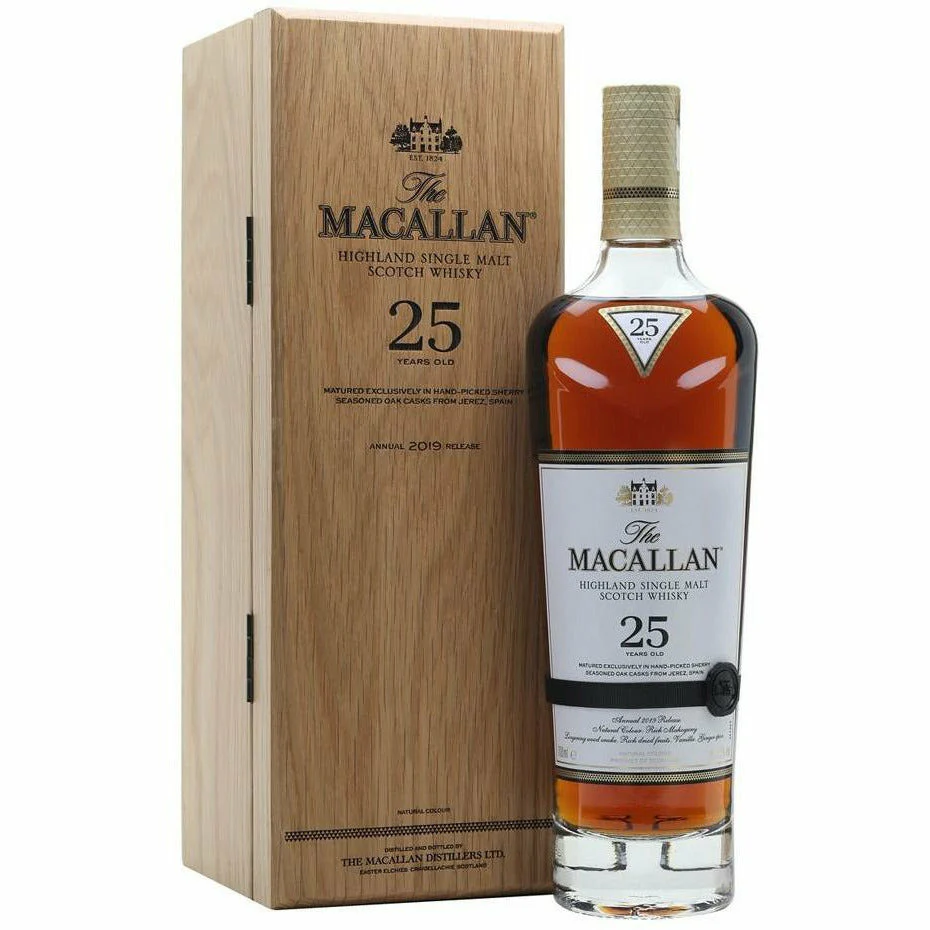
The Step Up — Macallan 12 Double Cask Around $60-70. Aged in American and European oak sherry-seasoned casks. Rich dried fruit, warming spice, chocolate and vanilla. The Macallan is the most recognized single malt in the world for reasons that are entirely justified.
The Special Occasion — Macallan 18 Around $300. The benchmark against which most aged single malts are compared. Dried fruit, ginger, cinnamon, oak. Long finish. Perfect construction. This is what Scotch whisky aspires to be.
The Conversation Piece — Lagavulin 16 Around $80. The definitive Islay expression for most men. Intensely peated, complex, with a long smoky finish that evolves for minutes after the last sip. Not for everyone. Exactly right for the man it is for.
The Hidden Gem — Springbank 10 Around $65 when you can find it. Lightly peated, complex, with a maritime quality that reflects its Campbeltown heritage. Independently owned, traditionally produced, increasingly allocated. The whisky that serious enthusiasts drink when they want something beyond the obvious choices.
The Blended Choice — Johnnie Walker Black Label Around $35. The most consistently excellent value in Scotch whisky. Twelve year age statement, complex flavor profile, works neat or with a single ice cube. The bottle that belongs on every bar because it pleases everyone from the newcomer to the enthusiast.
How to Drink It
Neat first. Always try a new whisky neat before adding anything. You need to understand what you have before you change it.
A small splash of still room temperature water can open up certain whiskies — particularly higher proof expressions — revealing aromas and flavors that were closed at full strength. This is not weakness. This is chemistry.
A single large ice cube if you prefer it cold. Ice dilutes as it melts so drink with intention.
Never with cola. Never with juice. Never in a plastic cup.
The glass matters. A Glencairn glass — the tulip shaped whisky glass developed specifically for nosing and tasting — is the correct vessel. It concentrates the aromas, fits naturally in the hand, and signals to everyone in the room that you know what you are doing.
The Journey
Scotch whisky is not a destination. It is a direction.
Every bottle opens a door to the next one. Glenfiddich leads to Macallan leads to Balvenie leads to Springbank leads to Ardbeg leads to a rabbit hole that the right kind of man never really wants to climb out of.
Start somewhere good. Pay attention. Keep notes if that is the kind of man you are. Share bottles with people worth sharing them with.
The search for the perfect dram is part of the pleasure. Which means it never really ends.
Which means it is always just beginning.
There Goes That Man. The search is over.