
Most men take vacations the way they do most things they have not thought carefully about — reactively. They book something familiar, somewhere they have been before, at a time that is convenient rather than optimal, with a plan that amounts to showing up and seeing what happens.
This produces a vacation that is fine. Not remarkable. Not the kind that changes something in you or produces memories that stay with you for years. Just fine.
The remarkable vacation requires the same thing that every other remarkable experience requires — intention. Here is how to bring it.
First — Decide What Kind of Vacation You Actually Need
Not all vacations serve the same purpose. The man who needs rest needs something different from the man who needs adventure. The man who needs cultural stimulation needs something different from the man who needs to disconnect entirely. Conflating these needs produces a vacation that serves none of them well.
Be honest about what you need before you decide where to go.
Rest and recovery — You are depleted. You need to stop. Beach, mountain cabin, somewhere with no agenda and no obligations. The vacation where the most demanding decision is whether to read by the pool or walk to the beach.
Adventure and challenge — You need to feel alive in a way that ordinary life does not currently provide. Physical challenge, unfamiliar environments, situations where your competence is tested. Trekking, expedition, wilderness immersion, something that requires preparation and produces genuine accomplishment.
Cultural immersion — You want to understand something new about the world and your place in it. A city with deep history, a country whose culture is genuinely different from your own, a place where the food and language and customs require genuine engagement.
Connection — You need time with people who matter to you, away from the context in which you usually see them. The vacation that rebuilds relationships rather than escaping them.
Know which of these you need. Plan accordingly.
The Destination — How to Choose It
The best destination is not the most popular one or the most photographed one or the one that appeared in the magazine you read last month. It is the one that best serves what you determined you need.
That said — some destinations reliably deliver on multiple fronts and deserve their reputations.
For cultural immersion:
Kyoto, Japan — The most complete cultural experience available to the Western traveler. Ancient temples, traditional crafts, extraordinary food, a culture of attention to detail and quality that resonates with the TGTM ethos at every level. Go in spring for cherry blossoms or autumn for foliage. Go in neither season to avoid the crowds.
Florence, Italy — The Renaissance made physical. More art per square mile than almost any city on earth. Food that is simple, excellent, and tied to place in the way that only Italian regional cooking achieves. Small enough to walk entirely. Rich enough to spend a month.
Marrakech, Morocco — The most sensory city on earth. The medina, the souks, the riads, the food, the light. A culture genuinely unlike Western culture that produces genuine disorientation — which is the point. Go for five days minimum. Stay in a riad. Hire a guide for the first day.
Lisbon, Portugal — The most underrated capital city in Europe. Extraordinary food and wine at prices that shame every other Western European capital. Warm people, beautiful light, a melancholy beauty called saudade that infects everything including the music. Go before everyone else discovers it.
Mexico City — The most surprising city in the Western Hemisphere for the man who has not been. World-class museums, the best Mexican food on earth — which means some of the best food on earth — a design and art scene of international significance, neighborhoods of extraordinary beauty. Safer than its reputation and more extraordinary than most men expect.
For adventure:
Patagonia — Chile and Argentina — The end of the world. Torres del Paine, the Perito Moreno Glacier, the Carretera Austral. Landscapes of incomprehensible scale. Physical challenge available at every level from day hikes to multi-day wilderness expeditions. Go between November and March — the Southern Hemisphere summer.
Iceland — The most dramatic natural landscape in Europe. Volcanoes, glaciers, geysers, waterfalls, the Northern Lights in winter. Drive the Ring Road over two weeks. Stop everywhere. The country is small enough that no detour is too far.
Nepal — The Himalayas. The Annapurna Circuit or the Everest Base Camp trek for the serious hiker. Kathmandu for the cultural experience. A country of extraordinary natural beauty and genuine human warmth. Requires physical preparation. Produces transformative experience.
The American West — Underestimated by Americans and overestimated by everyone else in equal measure. The Grand Canyon, Zion, Bryce, Capitol Reef, Arches, Canyonlands — a sequence of landscapes of such scale and strangeness that they produce the same disorientation as foreign travel without the logistical complexity.
For rest:
Amalfi Coast, Italy — Positano, Ravello, the coastal drive, the food, the light. The vacation where doing nothing feels like the correct thing to do because the setting makes inactivity beautiful.
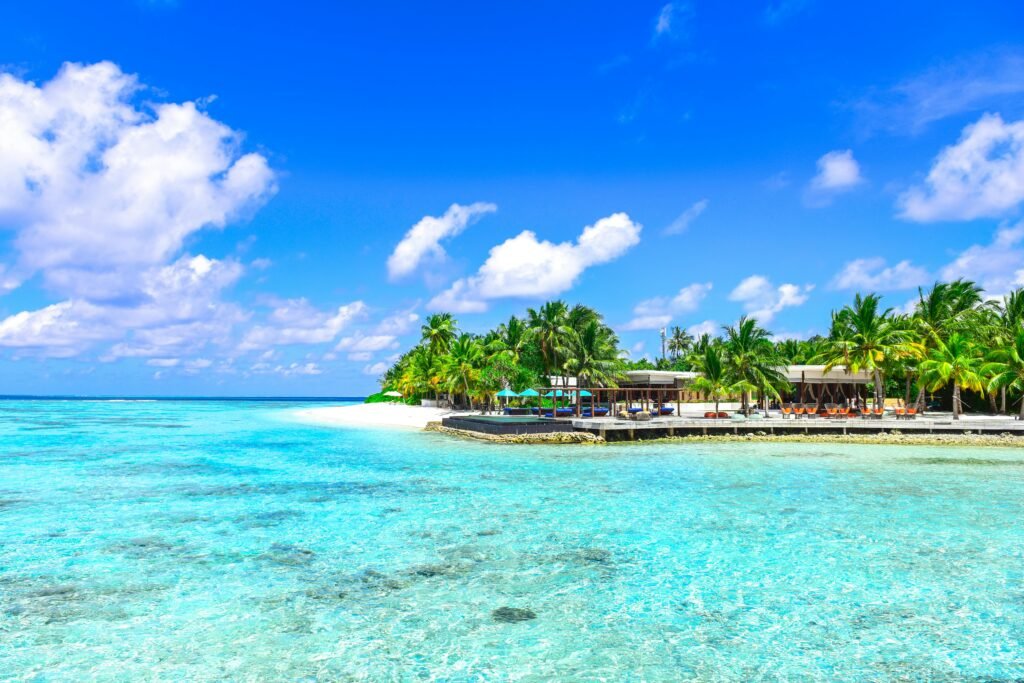
Maldives — The most complete rest available on earth. An overwater bungalow, the Indian Ocean, no agenda. Expensive. Worth it for the right occasion.
Tuscany, Italy — A farmhouse in the hills outside Siena or Florence. A rental car. No plans beyond the next meal. The vacation that produces the feeling of having lived somewhere for a week rather than visited it.
Costa Rica — Rain forest, beaches, wildlife, a culture of pura vida — pure life — that makes slowing down feel natural. More accessible than comparable experiences elsewhere and considerably less expensive.
The Planning — How Far in Advance and What to Book
The man who plans well has more options, pays less, and arrives less stressed than the man who plans late.
International travel — Book at least three months in advance. Flights are cheaper. Accommodation at the best properties is available. Reservations at the best restaurants can be secured.
Peak season travel — Book six months to a year in advance. Amalfi Coast in August. Japan in cherry blossom season. Any ski resort at Christmas. These windows fill completely. The man who decides in June to go to Positano in August will pay maximum price for minimum choice.
What to book in advance:
Flights — as early as possible. The fare algorithm is unpredictable but early booking generally produces better prices than late booking for international travel.
Accommodation — the best properties at the best destinations have limited inventory. Book the accommodation you actually want before it is gone.
Restaurants — for the best restaurants in any serious food destination reservations are required weeks or months in advance. Noma in Copenhagen requires months. The French Laundry in Napa requires months. Any Michelin-starred restaurant in a major city requires at minimum weeks. Book before you depart.
Experiences — cooking classes, private guides, specific tours, entry to attractions with timed entry. Do this research before you arrive and book what matters to you.
What not to over-plan:
Leave days without agenda. The best thing that happens on any trip is usually something that was not planned. The city you wandered into because the train was delayed. The restaurant the taxi driver recommended. The conversation with a stranger that lasted three hours.
Over-planned vacations become itineraries to execute rather than experiences to have. Plan the anchors. Leave space for everything else.
The Packing — The Final Time You Will Read This Advice Before You Follow It
Pack less than you think you need. Always. The man who has traveled enough knows this. The man who has not traveled enough will learn it on this trip.
A carry-on is sufficient for any trip up to two weeks if you pack correctly. Dark clothing that does not show wear. Fabrics that do not wrinkle significantly. Versatile pieces that work across multiple contexts. One pair of shoes on your feet. One pair in the bag.
The man who checks a bag waits at baggage claim. The man who loses a bag has lost things he cannot replace while traveling. The man who carries everything he needs on his back is free in a way the other two are not.
The Money — What to Know Before You Go
Notify your bank and credit card companies before international travel. A foreign charge on an unnotified account triggers fraud alerts that freeze cards at the worst possible moments.
Use a credit card with no foreign transaction fees for all purchases abroad. Chase Sapphire Reserve or Amex Platinum — no foreign transaction fees, travel insurance, and points that fund future travel.
Carry some local currency for markets, small vendors, and situations where cards are not accepted. Exchange currency at your destination bank or ATM — not at airport exchange counters which charge maximum fees for minimum convenience.
The Mindset — The Variable That Determines Everything
The remarkable vacation is not produced by the destination. It is produced by the man who shows up to it with the right mindset.
The right mindset is curiosity — genuine interest in what is different about this place, this food, these people, this history.
The right mindset is patience — the willingness to be delayed, lost, confused, and uncomfortable without treating these things as failures of the vacation rather than features of genuine travel.
The right mindset is presence — the decision to be where you are rather than documenting where you are for people who are not there. The photograph that takes you out of the moment for thirty seconds produces a memory of taking a photograph. The moment itself, experienced fully, produces something that lasts considerably longer.
Go somewhere worth going. Go with intention. Be there when you arrive.
Come back different.
There Goes That Man. The search is over.